

Nature gives us everything we need to live, from clean air and fresh water to food, forests and wildlife. But pollution, deforestation, climate change and habitat loss are putting many plants and animals at risk. That’s why protecting nature has become more important than ever. World Nature Conservation Day, observed every year on July 28, reminds us that every person can help protect the environment. Governments, scientists, conservationists and local communities all have an important role to play.
India is one of the world’s most biodiverse countries, home to tigers, elephants, snow leopards, rhinos, lions, mangroves, coral reefs and thousands of unique plant species. Over the years, the country has launched several successful programmes to protect its forests, wildlife and natural ecosystems. Let’s explore some of the biggest ways India is helping conserve nature.
What is World Nature Conservation Day?
World Nature Conservation Day is observed every year on July 28 to raise awareness about protecting natural resources and preserving biodiversity for future generations.
The day encourages people to:
- Protect forests and wildlife
- Reduce pollution
- Save water
- Plant more trees
- Use natural resources wisely
- Support sustainable living
Healthy ecosystems help keep our planet balanced and support all forms of life.
Nature is connected in many ways. When forests disappear, or animals become extinct, the entire ecosystem is affected.
Here are 10 ways India is protecting nature
1. Saving tigers through – Project Tiger
Launched in 1973, Project Tiger is one of India’s most successful wildlife conservation programmes.
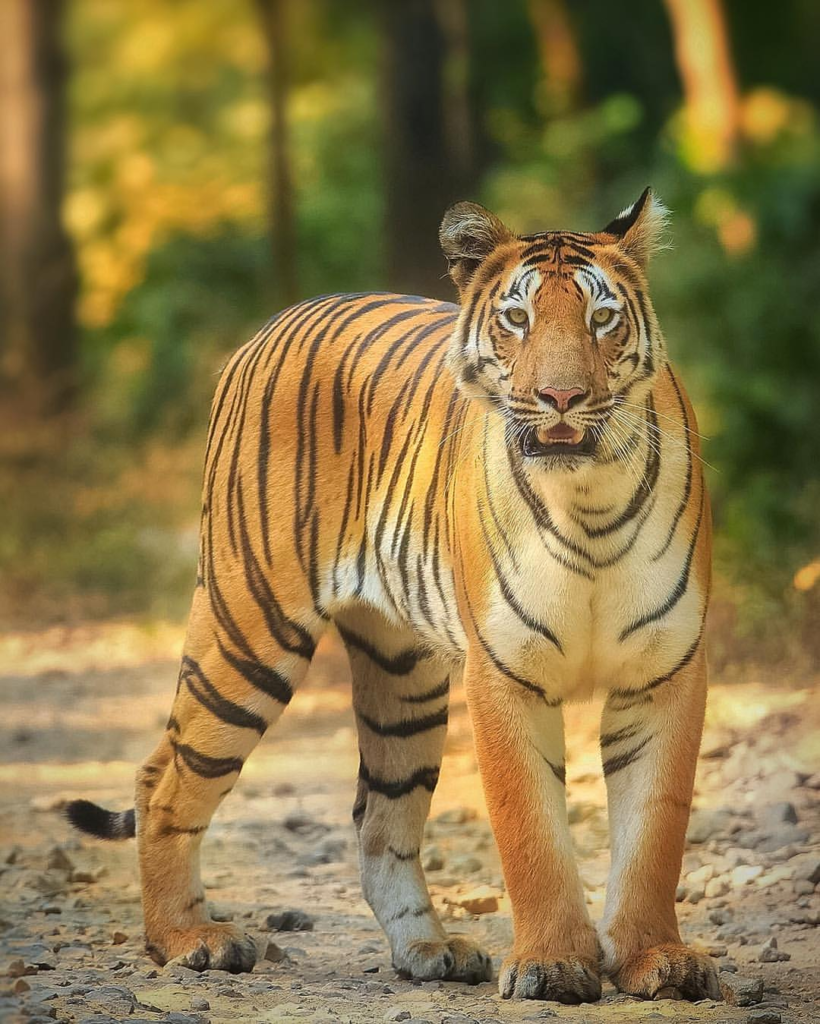
It focuses on:
- Protecting tiger habitats
- Preventing poaching
- Creating tiger reserves
- Monitoring tiger populations
India is now home to more than 75% of the world’s wild tigers, making it the global leader in tiger conservation.
2. Protecting elephants with – Project Elephant
Started in 1992, Project Elephant works to conserve Asian elephants and their habitats.
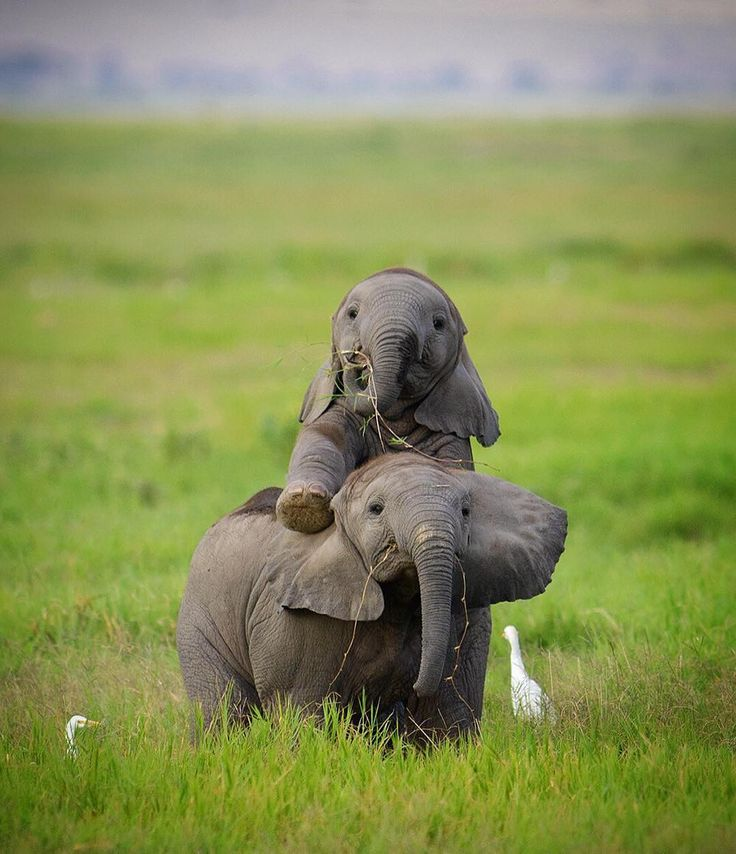
The programme helps by:
- Protecting elephant corridors
- Reducing human-elephant conflict
- Supporting elephant research
- Conserving forests where elephants live
India has the world’s largest population of wild Asian elephants.
3. Bringing Cheetahs back to India with Project Cheetah
In 2022, India launched Project Cheetah, reintroducing cheetahs after they became extinct in the country in 1952. Cheetahs from Namibia and South Africa were released into protected areas such as Kuno National Park in Madhya Pradesh.
Scientists continue to monitor their health, breeding and adaptation to the wild.
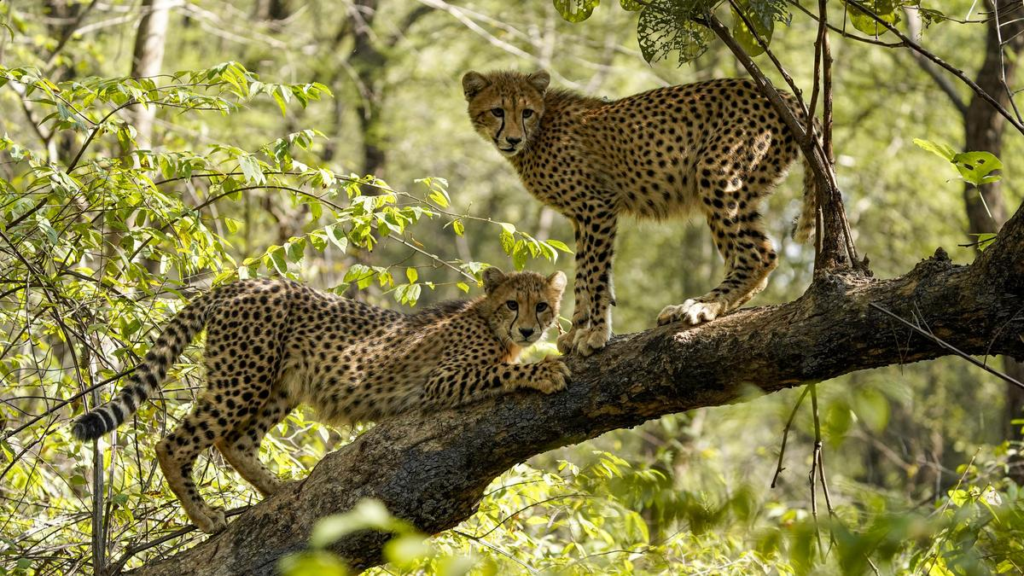
4. Conserving rivers and dolphins with Project Dolphin
The Project Dolphin initiative aims to protect the endangered Ganges river dolphin, India’s National Aquatic Animal.
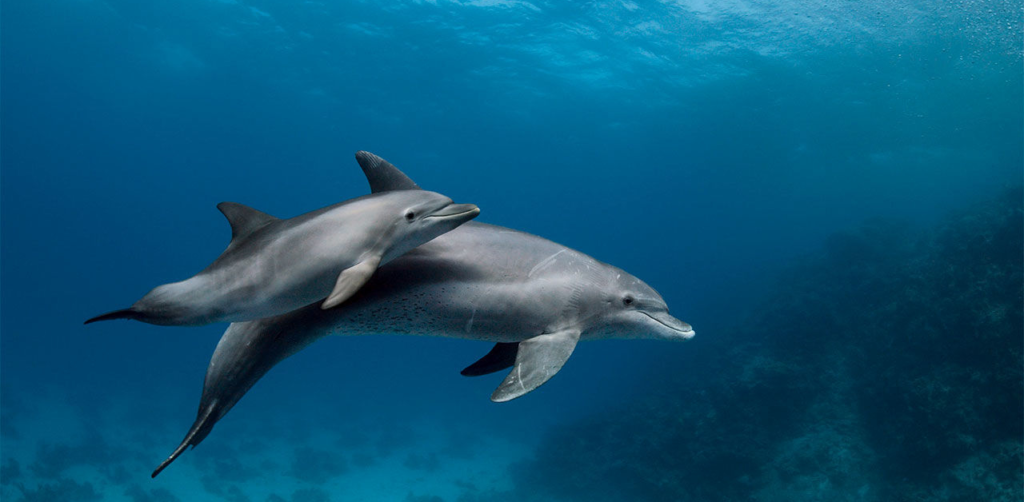
The programme focuses on:
- Conserving river habitats
- Reducing pollution
- Supporting scientific research
- Raising public awareness
Healthy rivers help both wildlife and people.
5. Expanding national parks and wildlife sanctuaries
India has built one of the world’s largest protected area networks.
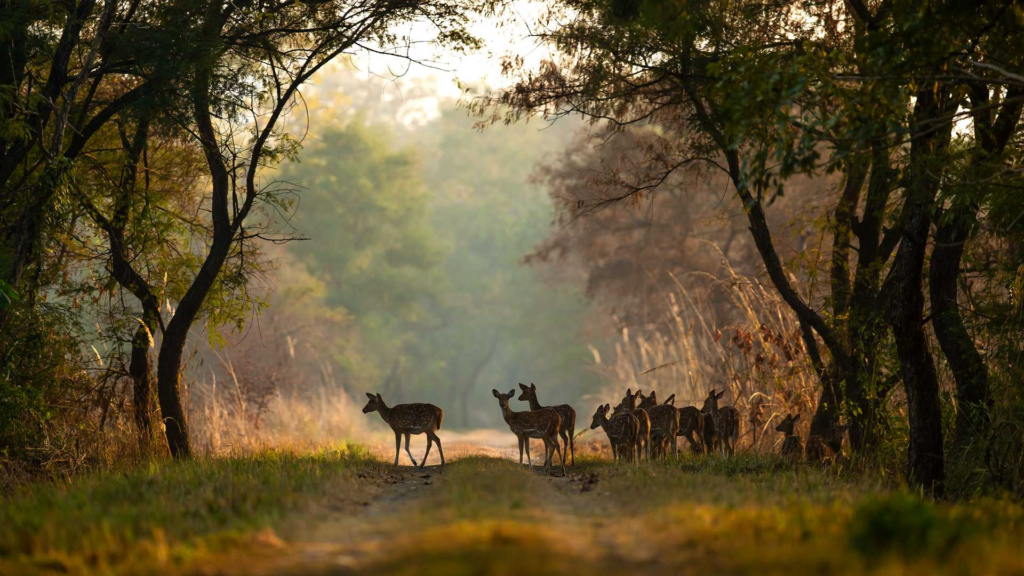
These include:
- National parks
- Wildlife sanctuaries
- Conservation reserves
- Community reserves
Together, they protect habitats for thousands of species, including rhinos, lions, snow leopards, red pandas and countless birds.
6. Protecting internationally important wetlands
India has recognised more than 90 Ramsar Sites, wetlands that are internationally important for biodiversity.
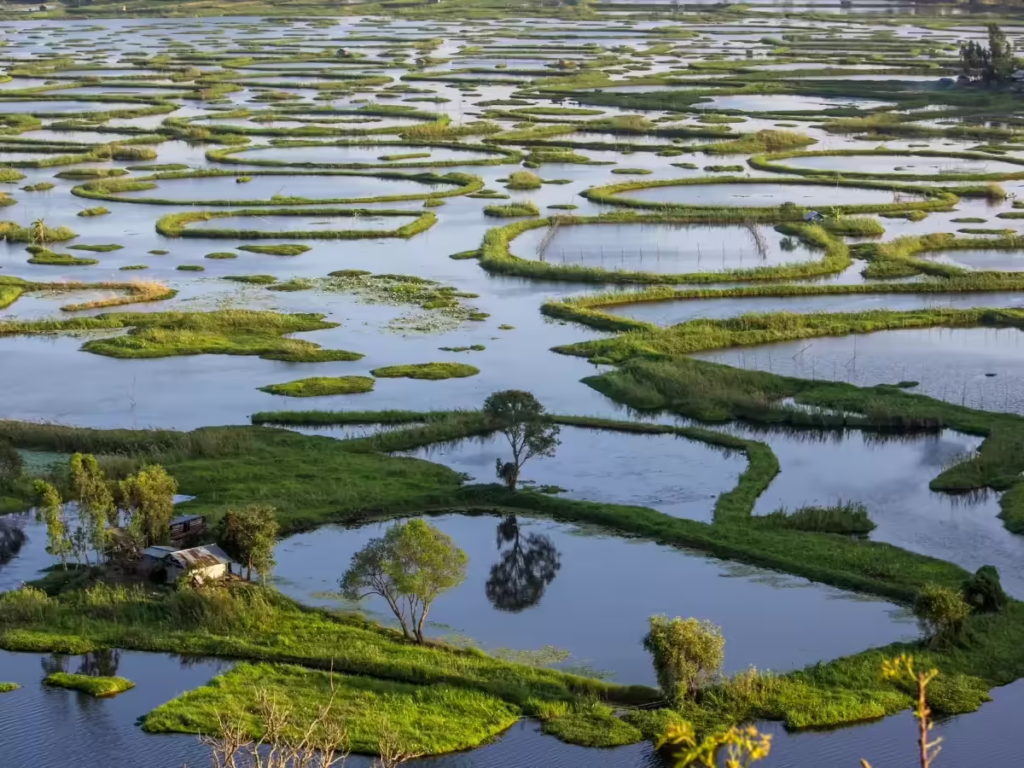
Wetlands help:
- Store water
- Prevent floods
- Support migratory birds
- Filter pollutants
- Protect fish and other aquatic life
Examples include Chilika Lake, Keoladeo National Park and Loktak Lake.
7. Restoring forests and degraded land
India is restoring millions of hectares of damaged forests and land. The country has already restored over 21.7 million hectares of degraded land as part of its international restoration commitments.

These efforts help:
- Increase tree cover
- Improve soil health
- Store carbon
- Support wildlife habitats
Read all about: All About How India Restored Millions of Hectares of Damaged Land!
8. Planting more trees
Tree-planting campaigns are helping increase green cover across the country. One recent nationwide campaign is Ek Ped Maa Ke Naam, which encourages people to plant a tree in honour of their mother.
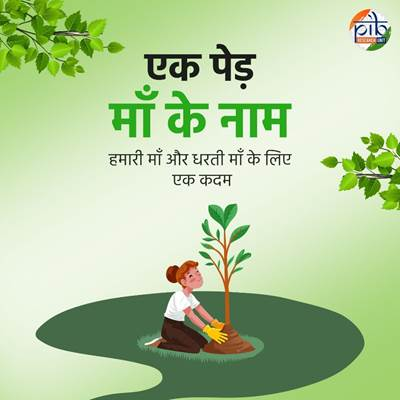
More trees help by:
- Absorbing carbon dioxide
- Producing oxygen
- Preventing soil erosion
- Providing homes for birds and animals
9. Protecting endangered species
Many conservation programmes focus on animals that need extra protection.
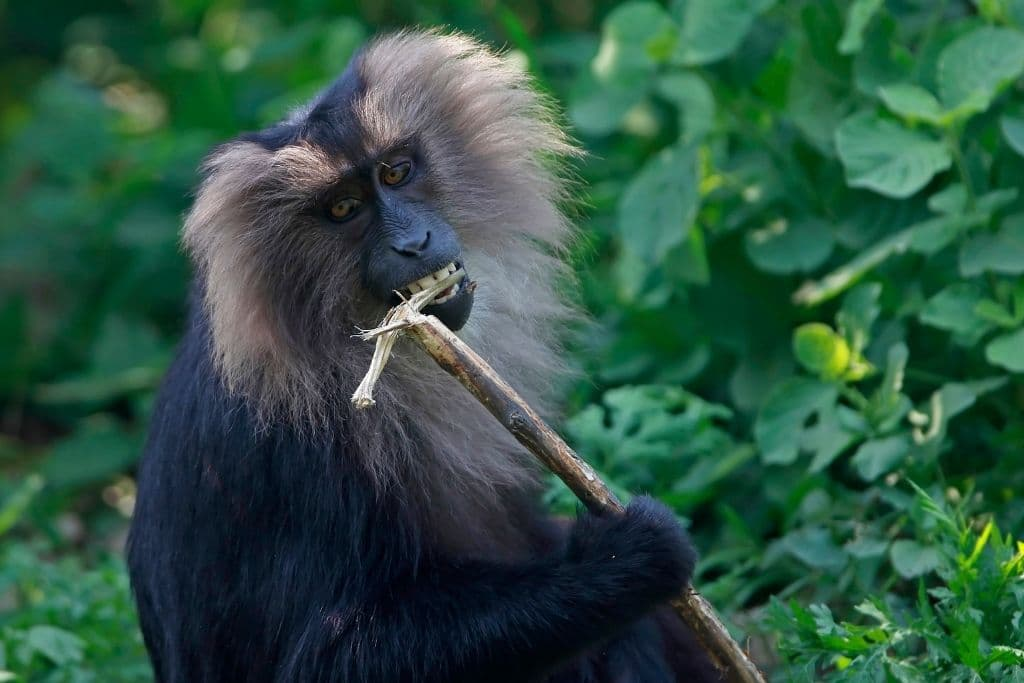
These include:
- Asiatic lions
- One-horned rhinoceroses
- Snow leopards
- Great Indian Bustards
- Olive ridley sea turtles
- Red pandas
Scientists use tracking devices, camera traps and habitat restoration to help these species survive.
10. Promoting cleaner and greener living
Nature conservation is not only about protecting wildlife. India is also encouraging sustainable practices such as:
- Renewable energy
- Plastic waste reduction
- Water conservation
- Sustainable farming
- Community-led conservation projects

These efforts help protect both people and nature.
How can children help protect nature?
You don’t have to be a scientist to make a difference.
Here are some simple ways you can help:
- Plant native trees and flowers.
- Save water at home and school.
- Switch off lights and fans when not in use.
- Reduce, reuse and recycle waste.
- Avoid single-use plastics.
- Never disturb wild animals or birds.
- Join nature walks or clean-up drives.
- Learn about local wildlife and share what you know.
FAQs About World Nature Conservation Day
When is World Nature Conservation Day celebrated?
Answer: World Nature Conservation Day is observed every year on July 28 to encourage people to protect nature and use natural resources responsibly.
Why is World Nature Conservation Day important?
Answer: It raises awareness about protecting forests, wildlife, water and biodiversity so future generations can enjoy a healthy planet.
What is biodiversity?
Answer: Biodiversity is the variety of living things, including plants, animals, fungi and microorganisms, that live in different ecosystems.
Why is India called a megadiverse country?
Answer: India is one of the world’s 17 megabiodiverse countries because it has an exceptional variety of wildlife, plants and habitats, many of which are found nowhere else.
What is the biggest wildlife conservation project in India?
Answer: Project Tiger is one of India’s largest and most successful wildlife conservation programmes. It has helped increase the country’s tiger population through habitat protection and anti-poaching measures.
How do national parks help nature?
Answer: National parks protect forests, rivers and grasslands while providing safe habitats for wildlife and supporting scientific research and eco-tourism.
What is the difference between conservation and preservation?
Answer: Conservation means using natural resources wisely while protecting them. Preservation means keeping natural areas untouched and preventing human interference.
How can students help conserve nature?
Answer: Students can save water and electricity, reduce plastic use, plant trees, recycle waste, protect wildlife and spread awareness about caring for the environment.
Also read about: What Kids Can Do to Help the Planet: 15 Simple Ways to Make a Difference
Learn about Animals And Their Young Ones with these fun flash cards!
Subscribe to The Junior Age Newspaper – click here. Know more fun facts on The Junior Age’s YouTube!