
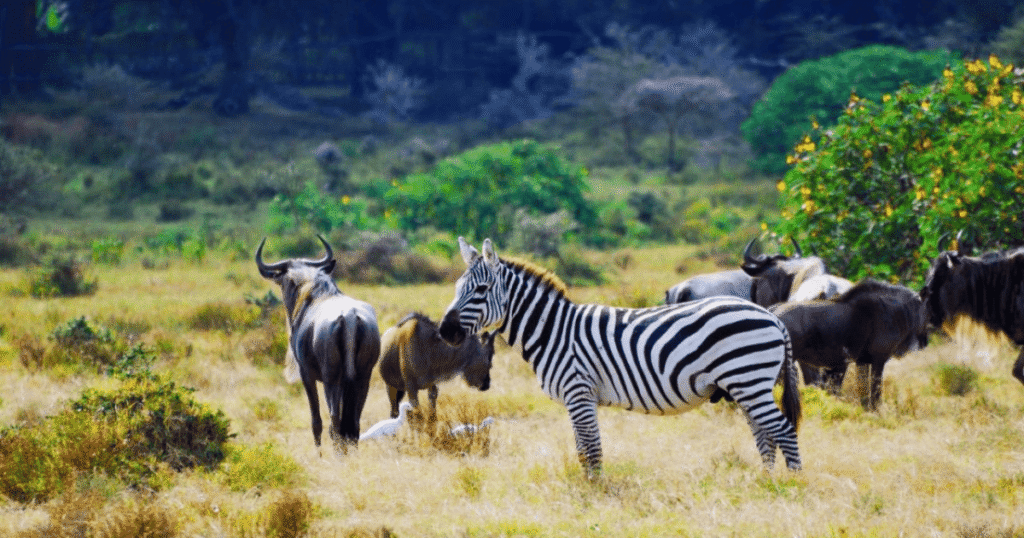
The Living Planet Report 2026, released by the World Wide Fund for Nature (WWF) on October 8, warns that the average size of monitored wildlife populations worldwide fell by 73% between 1970 and 2022. Freshwater wildlife saw the steepest decline, followed by land-based and marine wildlife. The report tracks mammals, birds, fish, reptiles and amphibians.
What did the wildlife report find?
- 73% global decline: The average size of monitored wildlife populations fell between 1970 and 2022.
- 85% freshwater decline: The steepest drop among the three major habitat groups.
- 69% land decline: Average decline in monitored land-based wildlife populations.
- 59% marine decline: Average decline in monitored marine wildlife populations.
- 49% Asia-Pacific decline: Average fall in monitored regional wildlife populations.
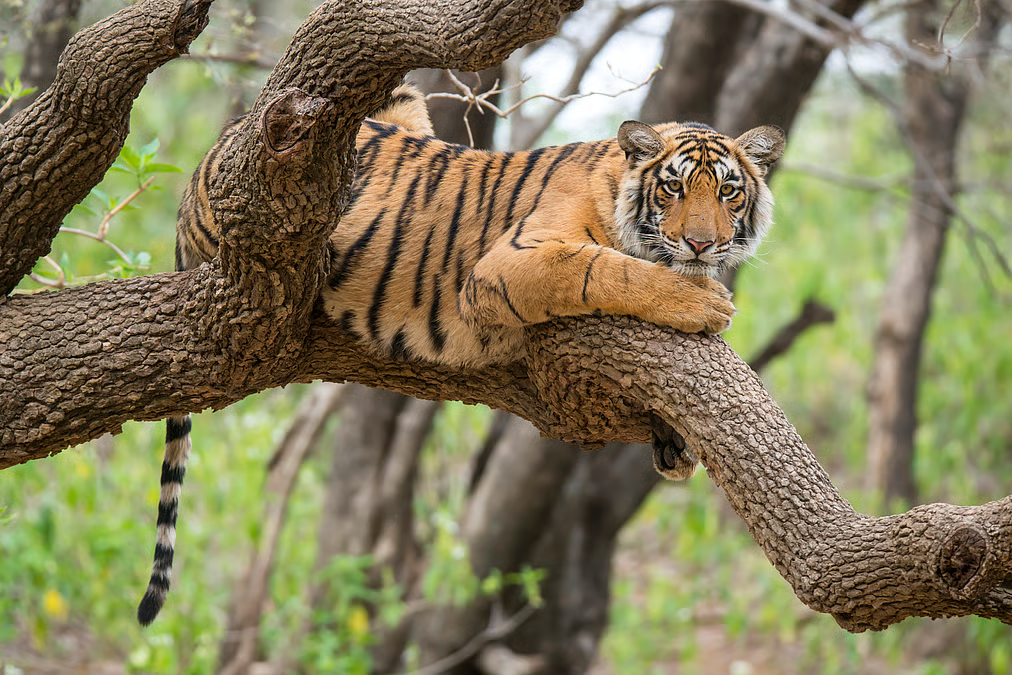
India’s wildlife offers hope
India has recorded encouraging results through species protection, habitat conservation and wildlife monitoring. Here are some key figures:
- 3,682 tigers: India’s estimated tiger population in 2022.
- 718 snow leopards: Estimated in India’s first nationwide scientific assessment.
- 6,327 Ganges river dolphins: Estimated in India’s first nationwide assessment.
- 3,323 greater one-horned rhinoceroses: Recorded in India in 2024.
- 891 Asiatic lions: India’s population estimate in 2025, up from 674 in 2020.
However, progress for some species does not mean all wildlife is safe. Habitat loss, pollution, climate change and conflict between people and animals remain serious threats. Protecting species and their habitats can help nature recover, but sustained action is essential.
What is the Living Planet Report?
The Living Planet Report is WWF’s major assessment of the state of nature. It uses the Living Planet Index, produced by the Zoological Society of London, to track changes in monitored populations of vertebrate animals around the world.
Did you know? Around half of the wildlife populations included in the 2026 Living Planet Index were stable or increasing. This shows that conservation can make a difference, even as the overall index continues to decline.
FAQs about global wildlife:
What does the 73% wildlife decline mean?
It means the average size of monitored wildlife populations fell by 73% between 1970 and 2022. It does not mean that 73% of all wild animals have disappeared.
Which wildlife populations declined the most?
Freshwater populations recorded the steepest average decline at 85%. Land-based populations declined by 69%, while marine populations fell by 59%.
How many tigers are there in India?
India’s 2022 tiger assessment estimated a population of 3,682, up from 2,967 in 2018.
How many snow leopards and Ganges river dolphins are there in India?
India’s first nationwide scientific assessments estimated 718 snow leopards and 6,327 Ganges river dolphins.
Why is wildlife declining around the world?
Major threats include habitat destruction, overexploitation, climate change, pollution, invasive species and disease. These pressures can make it harder for animals to find food, shelter and safe places to breed.
Can conservation reverse wildlife decline?
Yes. Habitat protection, anti-poaching efforts and carefully planned conservation programmes have helped some wildlife populations recover. However, lasting progress also requires addressing the wider causes of nature loss.
Learn all about Wild Animals with the Flash Cards & watch the full video: Interesting Facts About Lions.
Also read:
- New Penguin Species Discovered for the First Time in Over a Century
- Addition to the Animal Kingdom: Meet the Tilcayo Tiger Cat
- Black Robin Named Bird of the Year 2026
- Birds in Danger: What’s Driving the Massive Extinction Threat?
- Glowing Birds: Birds-of-Paradise
- Millions Of Insects Are Still Waiting To Be Discovered
- 40 Rare Species Added To Global Protection List
- What Is The Difference Between A Parrot and a Parakeet?
Subscribe to The Junior Age Newspaper – click here. Know more fun facts on The Junior Age’s YouTube!