
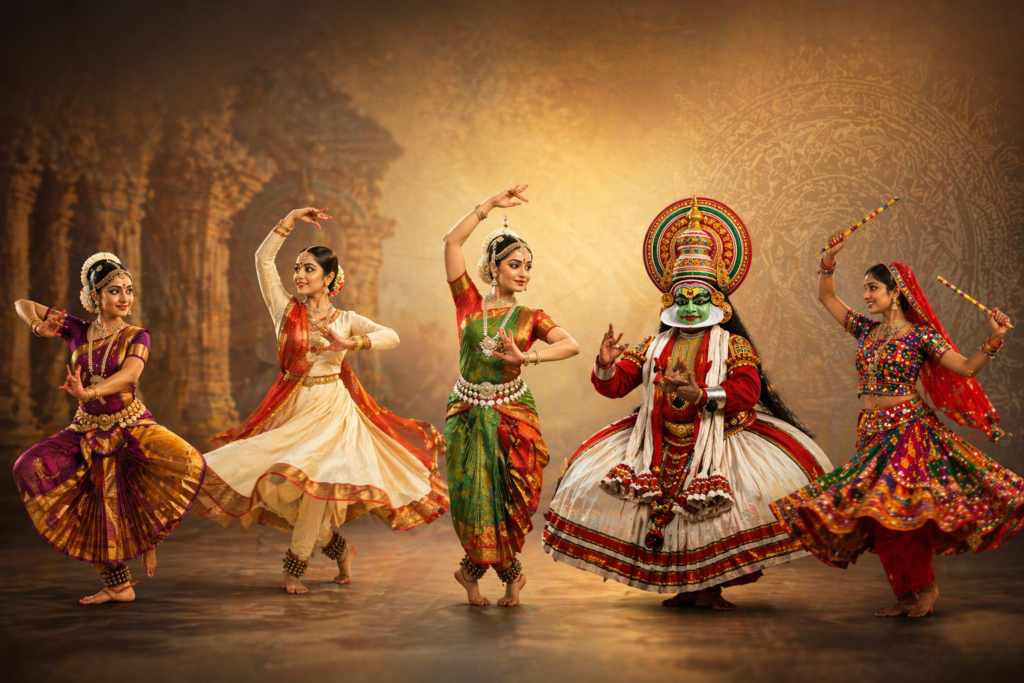
Dance has always been a storyteller in India. Long before books or screens, stories of gods, nature, bravery, and celebration were shared through rhythm, movement, and expression. Across temples, courts, and village festivals, dance became a way to pass culture, values, and traditions from one generation to the next. Each year on 29 April, the world celebrates International Dance Day, recognising dance as a universal language that connects people across cultures. In India especially, dances are rich with meaning. When children learn these dances, they are not just learning steps. They are learning discipline, patience, storytelling, teamwork, cultural pride, and emotional expression. For parents, introducing children to Indian dance can be a wonderful way to keep them active while helping them build confidence and connect with heritage.
Indian dances and the powerful values they teach children:
Bharatanatyam
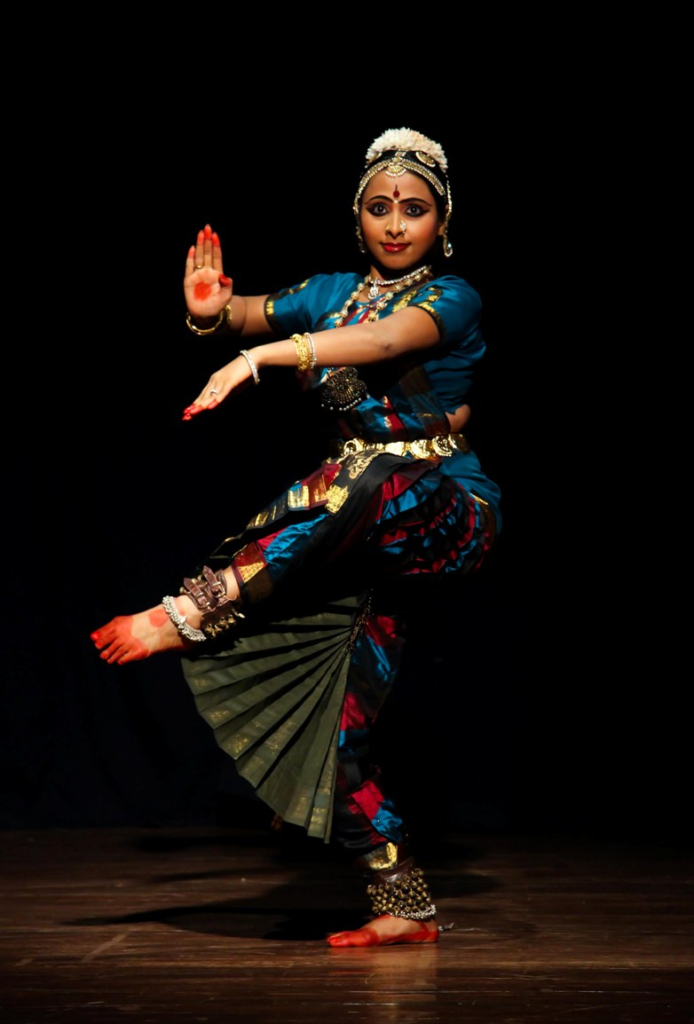
Bharatanatyam is one of India’s oldest classical dances. Traditionally performed in temples, it combines strong footwork, precise hand gestures called mudras, and expressive facial storytelling known as abhinaya.
Values children learn:
- Discipline: the dance requires regular practice and precise technique
- Focus that helps dancers coordinate with eyes, hands, expressions, and feet together
- Respect for tradition: many performances narrate stories from ancient epics and spiritual texts
Kathak
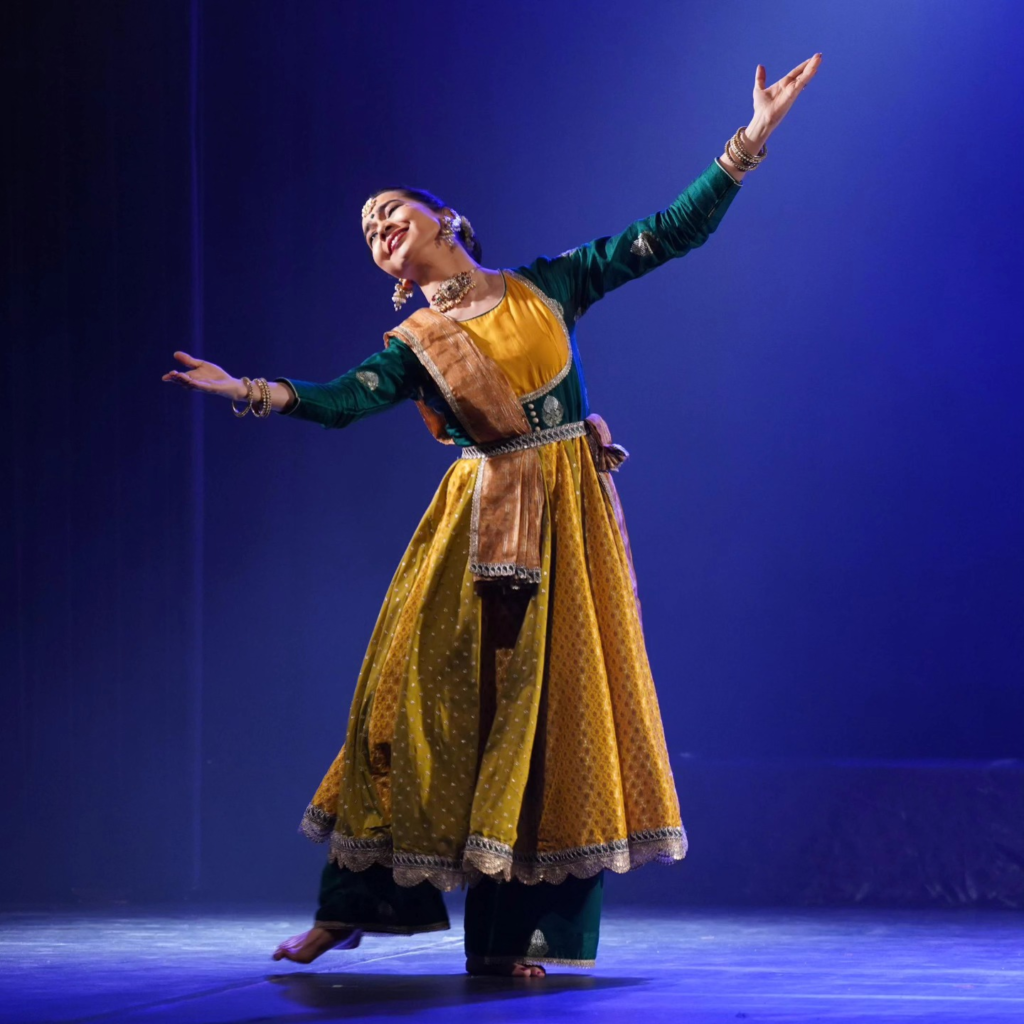
Kathak began with travelling storytellers called kathakars who narrated myths and legends through movement and rhythm. The dance is famous for rapid spins known as chakkars, intricate footwork with ankle bells, and expressive gestures that bring stories to life.
Values children learn:
- Storytelling skills through expressions and gestures
- Confidence through live stage performances
- Rhythm and musical awareness by matching movements to complex beats
Odissi
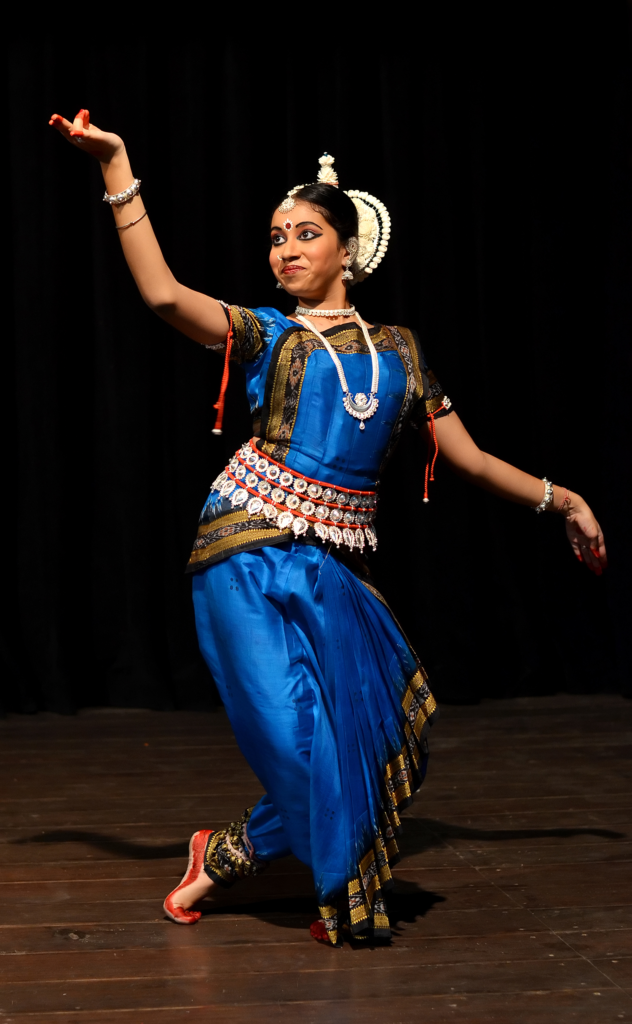
Odissi is inspired by ancient temple sculptures and is known for its graceful, curved body positions such as the tribhangi posture. The dance blends lyrical movement with devotional storytelling.
Values children learn:
- Patience while mastering complex poses
- Body awareness and balance through controlled movement
- Calm focus through slow, graceful choreography
Kathakali
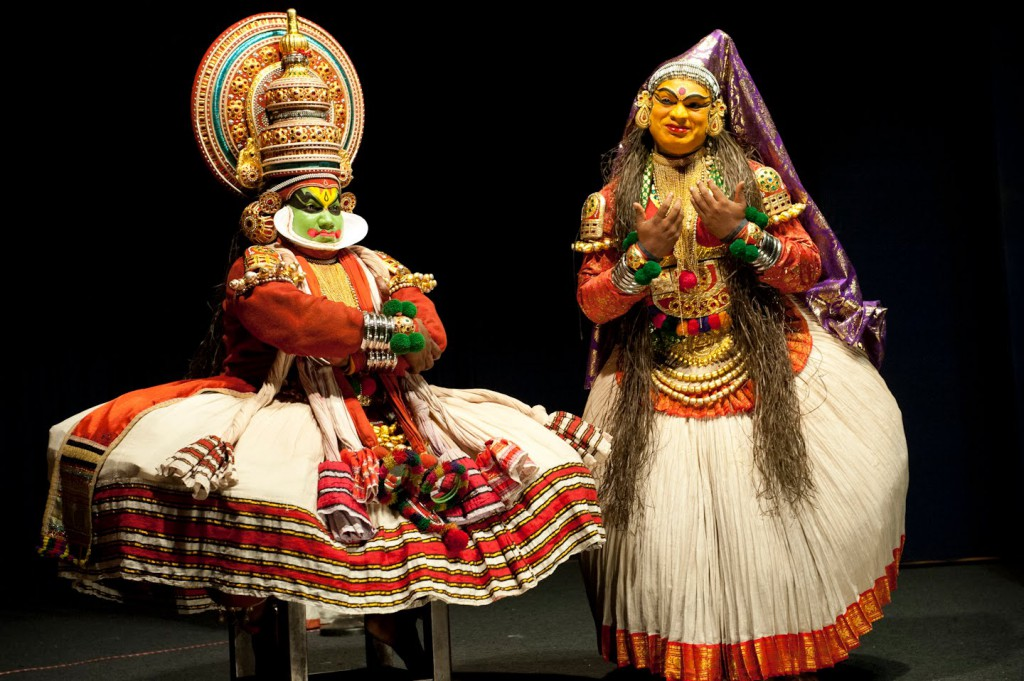
Kathakali is one of India’s most dramatic dance traditions. Known for elaborate makeup, colourful costumes, and powerful facial expressions, it tells epic stories from the Ramayana and Mahabharata. Kathakali is also a theatre form that involves musicians, singers, and multiple performers working together.
Values children learn:
- Teamwork between dancers, musicians, and performers
- Emotional expression through powerful facial gestures
- Cultural appreciation by learning legendary stories
Lavani
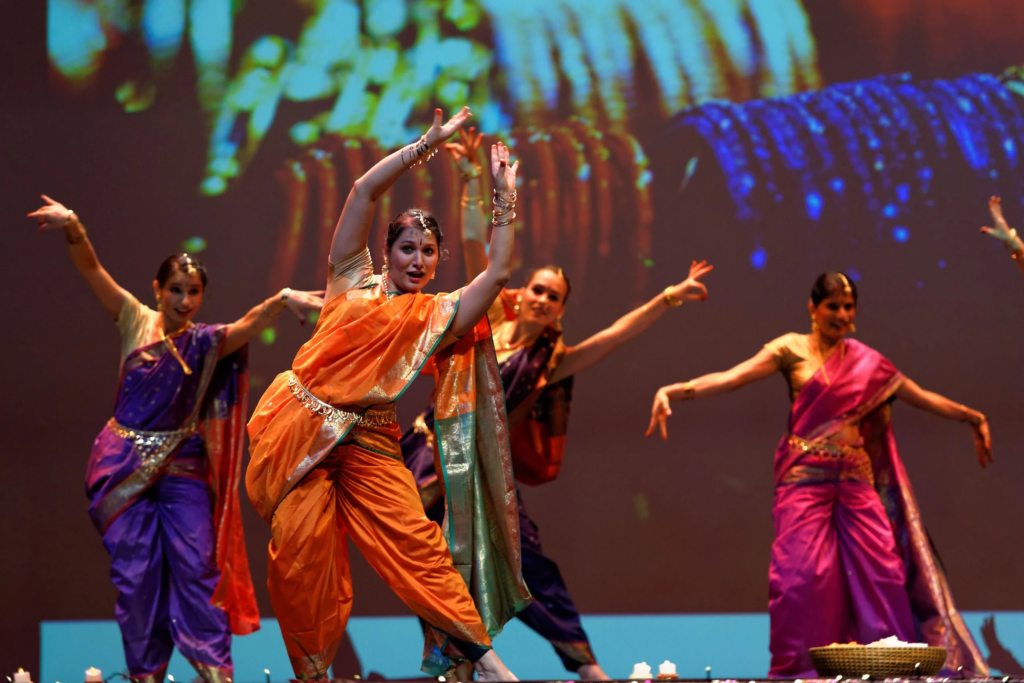
Lavani is known for its energetic rhythm, expressive movements, and lively music. Traditionally performed to the beats of the dholki drum, Lavani celebrates storytelling and dramatic performance.
Values children learn:
- Confidence and stage presence
- Expressive communication through gestures and expressions
- Appreciation of regional culture and folk traditions
Kuchipudi
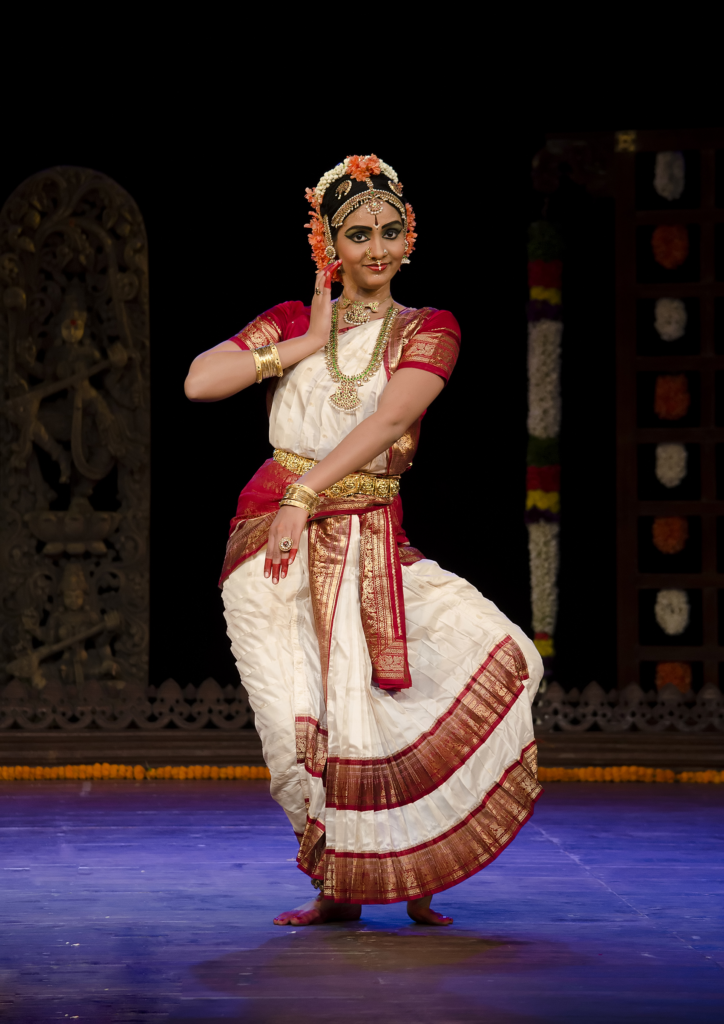
Kuchipudi blends graceful dance with theatrical storytelling and energetic footwork. A unique feature is the tarangam performance, where dancers balance on a brass plate while performing rhythmic steps.
Values children learn:
- Confidence through expressive performance
- Agility and balance through dynamic choreography
- Creative storytelling through gestures and movement
Mohiniyattam
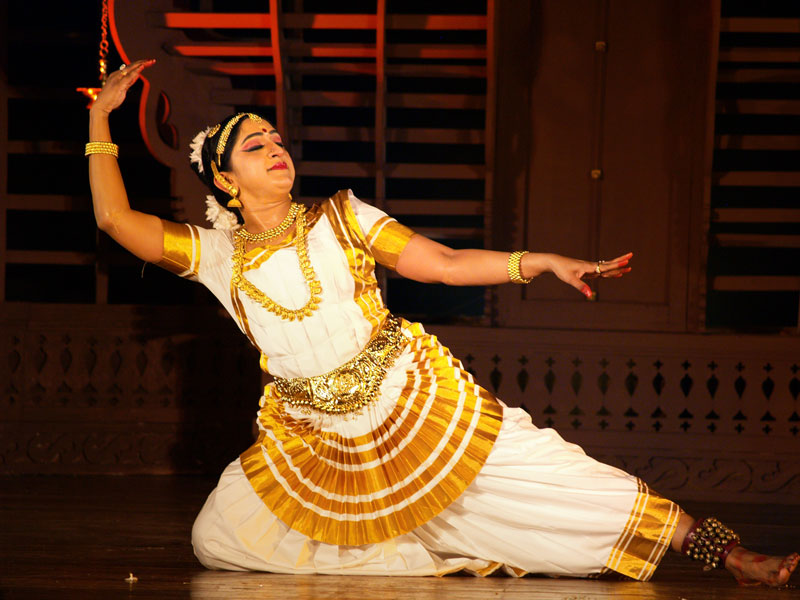
Mohiniyattam is known for soft, flowing movements and gentle expressions. The dance emphasises elegance and emotional storytelling.
Values children learn:
- Patience through slow, controlled movements
- Grace and poise in posture and expression
- Emotional awareness through expressive storytelling
Garba
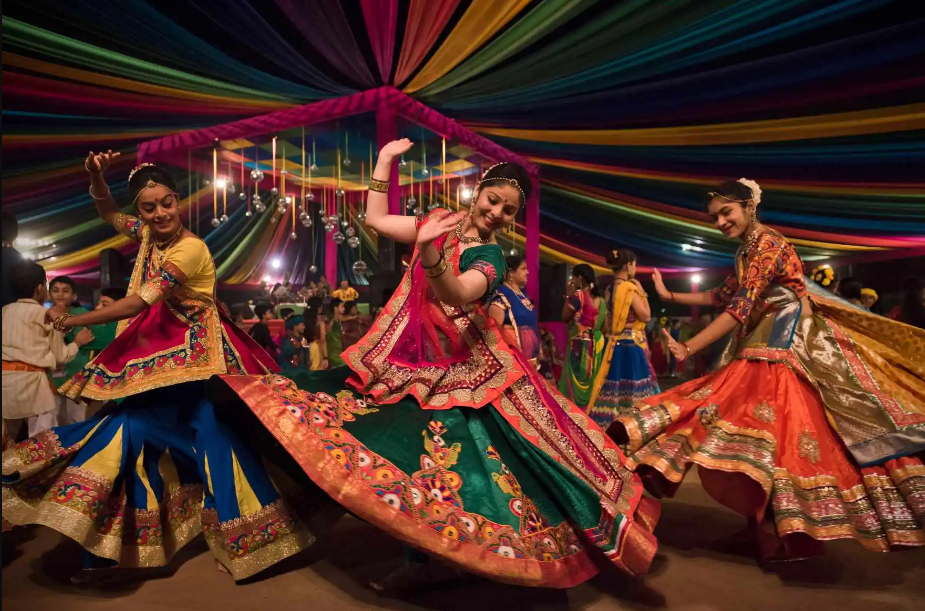
Garba is performed in circles during the Navratri festival. With rhythmic claps, coordinated steps, and colourful costumes, Garba brings people together in joyful celebration.
Values children learn:
- Teamwork and coordination
- Community participation
- Joy in cultural celebration
Ghoomar
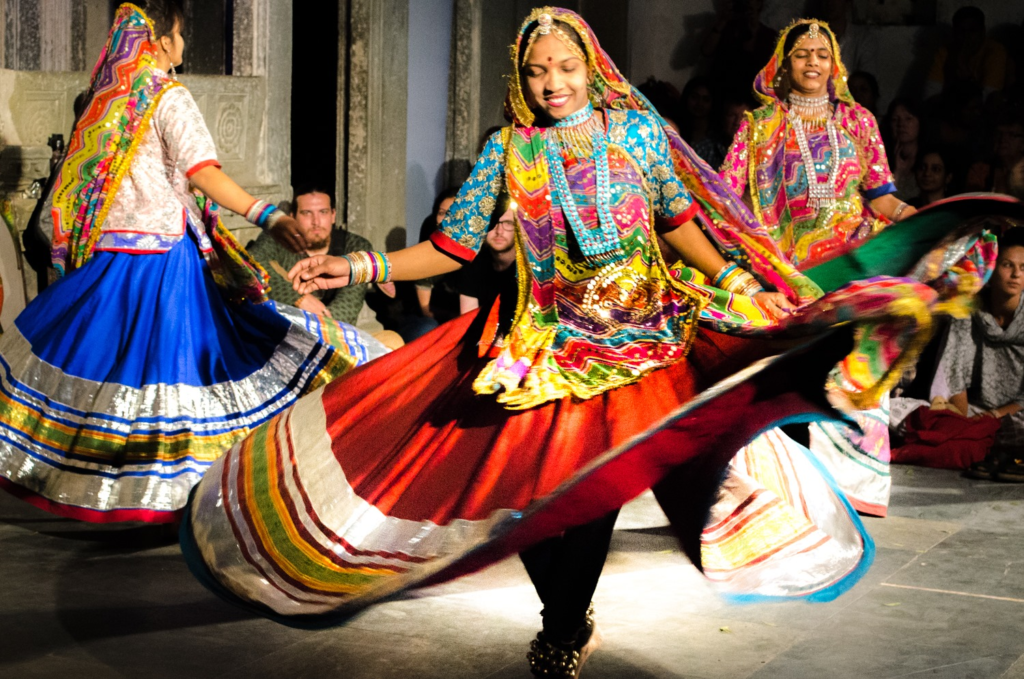
Ghoomar is known for its graceful spinning movements and vibrant flowing skirts. The dance is performed during festivals and celebrations.
Values children learn:
- Grace and coordination
- Pride in cultural traditions
- Teamwork during group performances
Bihu
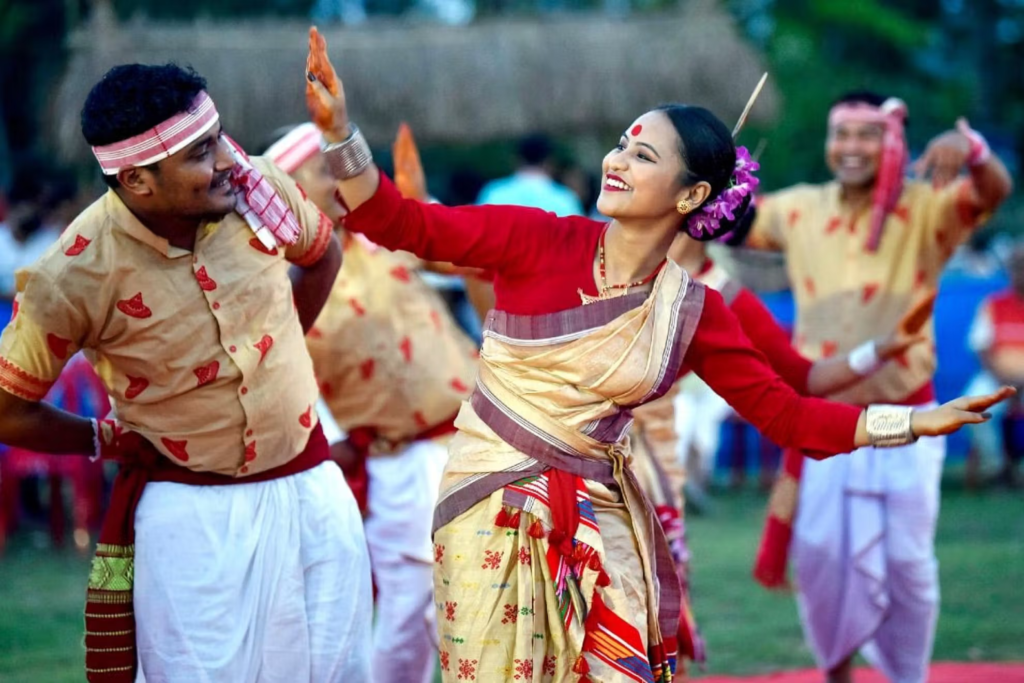
Bihu celebrates the Assamese harvest festival. The dance is lively and energetic, reflecting happiness, nature, and community life.
Values children learn
- Joy and positivity
- Connection with nature and seasons
- Celebration of community traditions
Indian dance forms offer far more than artistic training. They help children develop memory, coordination, creativity, and self-confidence. Dance also strengthens cultural awareness by introducing stories, traditions, music, and regional diversity. Dance can be a powerful way to nurture both physical activity and cultural connection. Whether it is the precise rhythm of Bharatanatyam, the storytelling of Kathak, or the joyful energy of Bihu, each dance form teaches children that movement can carry meaning. Sometimes the most powerful lessons do not come from a classroom. They come from music, movement, and the joy of dancing.
Subscribe to The Junior Age Newspaper – click here. Know more fun facts on The Junior Age’s YouTube!