
Climate change is one of the biggest challenges our planet faces today. You may have heard adults talking about rising temperatures, melting glaciers, floods, or heatwaves. But what exactly is climate change, and why does it matter to you? The good news is that understanding climate change isn’t difficult. Once you know how our planet works, it becomes much easier to see why the weather is changing and how everyone, including children, can make a difference. In this guide, we’ll explain climate change in a simple way, explore what causes it, see how it affects people and wildlife, and discover what we can all do to help protect Earth.
What is climate change?
Climate change is the long-term change in Earth’s average weather patterns over many years or even centuries. This doesn’t mean today’s weather is different from yesterday’s. Weather changes every day. Climate is different because it describes the usual weather in a place over a long period.
For example:
- A rainy afternoon is weather.
- The usual pattern of hot summers and cool winters over many years is climate.
Today, scientists have found that Earth’s climate is changing faster than at almost any time in human history. The planet is becoming warmer, and this is affecting oceans, forests, animals, plants and people across the world.
Weather vs climate: What’s the difference?
| Weather | Climate |
|---|---|
| Changes every day | Changes over many years |
| Today’s rain or sunshine | Average weather over decades |
| Short-term | Long-term |
| Easy to predict for a few days | Studied over many years |
Think of it this way: Weather is your mood today. Climate is your personality over many years.
Why is Earth getting warmer?
Earth has a natural blanket around it called the atmosphere. This blanket contains gases that trap some of the Sun’s heat. Without them, our planet would be far too cold for people, animals and plants to survive.
The problem begins when human activities add too many of these heat-trapping gases into the atmosphere. This creates an extra-thick blanket that keeps more heat from escaping into space. As a result, Earth’s average temperature slowly rises. This is known as global warming, which is one part of the bigger issue called climate change.
Want to know what creates these gases? Read our guide on What Causes Climate Change?
What are greenhouse gases?
Greenhouse gases are gases that trap heat inside Earth’s atmosphere.
The main greenhouse gases include:
- Carbon dioxide (CO₂)
- Methane (CH₄)
- Nitrous oxide (N₂O)
- Water vapour
Some greenhouse gases occur naturally, but human activities have increased their amounts significantly.
These gases mainly come from:
- Burning coal, petrol and diesel
- Cutting down forests
- Farming and raising livestock
- Factories and industries
What happens because of climate change?
When Earth becomes warmer, many things begin to change.
Hotter summers
Many places now experience longer and stronger heatwaves than they did decades ago. Children may find it harder to play outdoors during extremely hot afternoons, and schools sometimes adjust activities because of the heat.
Learn more in our article: Why Summers Are Getting Hotter.
Melting glaciers and polar ice
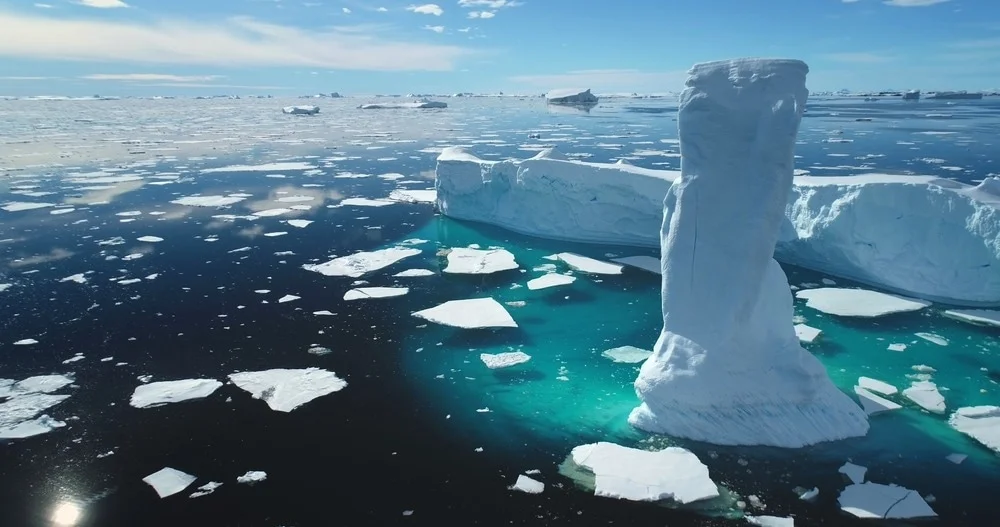
Large ice sheets in Greenland and Antarctica, along with mountain glaciers, are melting faster than before. When ice melts, sea levels slowly rise.
Rising sea levels
Higher sea levels can cause more flooding in coastal towns and cities.
Some islands are already facing serious risks from rising oceans.
Stronger storms
Warmer oceans can provide more energy for powerful cyclones and storms. Although not every storm is caused by climate change, scientists have found that climate change can make many extreme weather events more intense.
Changing rainfall
Some places receive much heavier rainfall, leading to floods. Other areas receive less rain, causing droughts that affect farming and drinking water.
How does climate change affect animals?
Animals depend on stable habitats for food, water and shelter. As temperatures rise:
- Polar bears lose sea ice where they hunt.
- Coral reefs become damaged by warmer oceans.
- Birds may migrate at different times.
- Some animals struggle to find enough food.
- Forest fires destroy wildlife habitats.
Many species are being forced to move to cooler places, while others may struggle to survive if their habitats disappear.
How does climate change affect people?
Climate change can affect daily life in many ways. People may experience:
- More heatwaves
- Floods and droughts
- Crop damage
- Water shortages
- Stronger storms
- Health problems caused by extreme heat
Farmers may find it harder to grow crops, while families living near rivers or coastlines may face greater flood risks.
How is climate change affecting India?
India is already seeing many changes linked to a warming climate. These include:
- Longer and hotter summers
- More frequent heatwaves
- Heavy rainfall in some regions
- Flooding in cities
- Melting Himalayan glaciers
- Water shortages in certain areas
- Stronger cyclones along some coastal regions
Because India has a wide range of climates, different parts of the country experience different challenges.
Can climate change be stopped?
Climate change cannot be reversed overnight, but scientists believe we can slow it down if countries, businesses and people work together. Many solutions are already helping, such as:
- Using more solar and wind energy
- Protecting forests
- Planting more trees
- Building cleaner transport
- Saving electricity
- Reducing pollution
The sooner action is taken, the better the future will be for both people and wildlife.
What can kids do to help reduce climate change?
Children may not run countries or build power stations, but they can still make a real difference through everyday choices. You can:
- Turn off lights when leaving a room.
- Save water while brushing your teeth.
- Walk or cycle for short journeys when possible.
- Recycle paper, plastic and metal.
- Use both sides of your notebook.
- Plant trees or care for plants.
- Avoid wasting food.
- Encourage your family to use reusable bags and bottles.
Small actions may seem tiny on their own, but millions of children doing the same thing can have a huge impact.
Climate change myths vs facts
There is a lot of misinformation about climate change online. Here are a few quick examples.
| Myth | Fact |
|---|---|
| Climate has always changed, so this is normal. | Earth’s climate has changed before, but today’s warming is happening much faster because of human activities. |
| One cold day means climate change isn’t real. | Climate looks at long-term patterns, not a single day’s weather. |
| Kids can’t help. | Small daily actions by millions of young people can make a meaningful difference. |
| Planting one tree solves climate change. | Trees help, but reducing pollution is also essential. |
Read our full article: Climate Change Myths vs Facts.
Quick climate facts
- Earth’s average temperature has increased by about 1.2°C since the late 1800s.
- Carbon dioxide can stay in the atmosphere for hundreds of years.
- Oceans absorb much of the extra heat trapped by greenhouse gases.
- Forests naturally remove carbon dioxide from the air.
- Renewable energy from the Sun and wind produces electricity without releasing greenhouse gases during operation.
If you enjoyed reading this, you may also like related articles:
- What Causes Climate Change?
- How Climate Change Affects India?
- Why Are Summers Getting Hotter?
- Climate Change: Myths vs Facts
- What Kids Can Do to Help the Planet?
- What Is El Nino And What Are Its Effects? Explained!
Subscribe to The Junior Age Newspaper – click here. Know more fun facts on The Junior Age’s YouTube!