
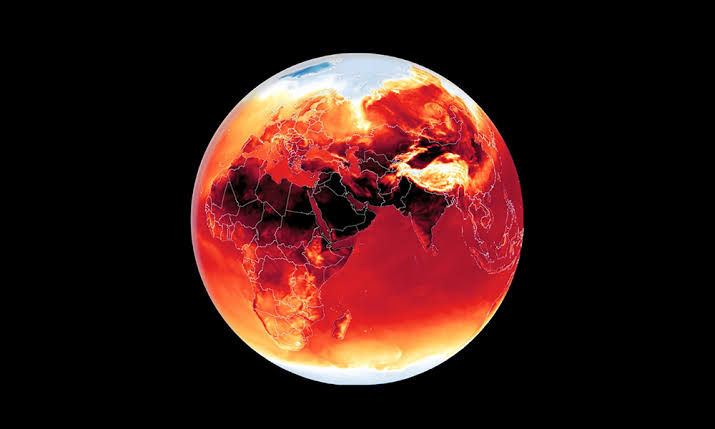
July 2026 was one of the hottest Julys ever recorded. According to the Copernicus Climate Change Service, it was the joint-second warmest July on record, tied with July 2024 and just behind July 2023. The global average temperature was 1.47°C above the estimated pre-industrial level of 1850–1900.
Why was July 2026 so hot?
The extra heat contributed to heatwaves, drought and wildfires in several parts of the world. Western Europe experienced particularly hot and dry conditions, with major wildfires and prolonged heatwaves. The region also recorded its warmest June-July period on record. Scientists are also watching El Niño, a natural climate pattern that warms parts of the Pacific Ocean. The developing El Niño in 2026 is contributing to unusually warm ocean temperatures and can influence weather in different parts of the world.
The World Meteorological Organization (WMO) says July 2026 was the joint-second warmest July according to Copernicus data. Different organisations can produce slightly different rankings because they use different datasets and methods.
What is El Niño?
El Niño is a natural climate pattern in which parts of the tropical Pacific Ocean become warmer than usual. This can change weather patterns around the world, bringing more rain to some places and hotter, drier conditions to others.
Read all about: What Is El Nino And What Are Its Effects? Explained!
What is the pre-industrial period?
For climate studies, 1850-1900 is commonly used as a reference period representing temperatures before most modern industrial warming. Scientists compare today’s temperatures with this baseline to understand how much the planet has warmed.
FAQs: Extreme heat and wildfires mark a scorching July
1. How hot was July 2026?
The global average temperature was 1.47°C above the 1850-1900 pre-industrial average.
2. Was July 2026 the hottest July ever?
No. According to Copernicus, it was the joint-second warmest July, alongside July 2024. July 2023 remains the warmest July in its dataset.
3. Where was the heat especially strong?
Western Europe experienced exceptionally hot and dry conditions, with heatwaves and wildfires.
4. How can extreme heat affect people and nature?
Extreme heat can increase the risk of heatwaves, drought and wildfires, while putting pressure on people, animals, plants and water supplies.
5. How does El Niño affect the weather?
El Niño changes ocean and atmospheric conditions in the Pacific, which can influence temperature and rainfall patterns around the world.
Also read:
- More Than Half of England Officially Enters A Drought!
- Extreme Heatwave: 95 Of The World’s 100 Hottest Cities Are In India
- 2025: The Third-Warmest Year Ever Recorded!
Subscribe to The Junior Age Newspaper – click here. Know more fun facts on The Junior Age’s YouTube!