
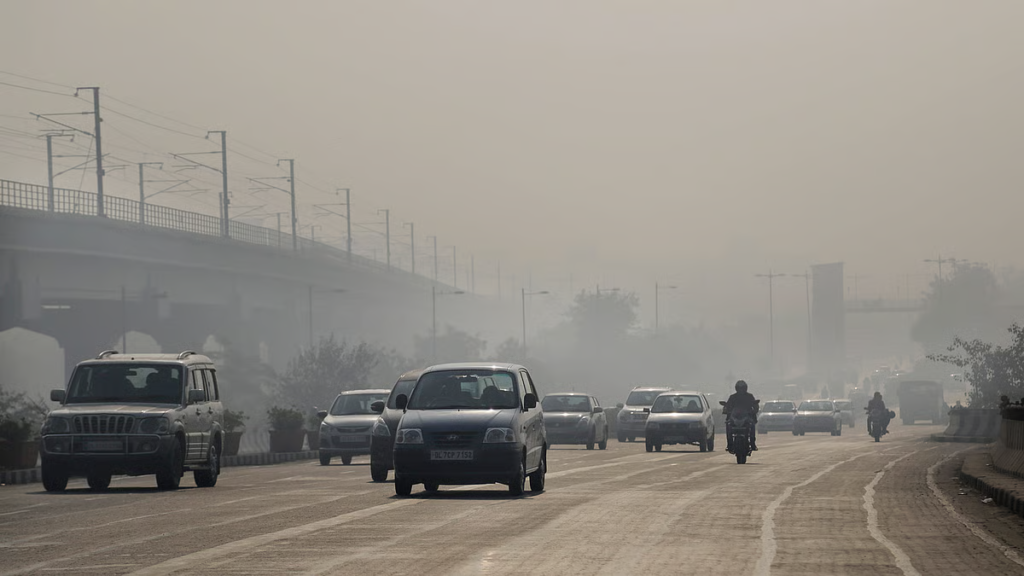
India’s air pollution problem extends far beyond Delhi. A real-time ranking published by AQI.in on October 24, 2026, found that 22 of the world’s 25 most polluted cities were in India. Cities across Uttar Pradesh, Haryana, Punjab and Maharashtra featured on the list, highlighting the widespread challenge of polluted air.
Which places ranked as most polluted cities in India?
The ranking recorded at 11 am on October 24 showed:
- Meerut, Uttar Pradesh: Ranked second worldwide, with an AQI of 386.
- Ghaziabad, Uttar Pradesh: Ranked fourth, with an AQI of 370.
- Panipat, Haryana: Ranked fifth, with an AQI of 369.
- Noida, Uttar Pradesh: Recorded an AQI of 367, placing it among the world’s 10 most polluted cities.
- Greater Noida, Uttar Pradesh: Recorded an AQI of 361, also making the top 10.
Why was Delhi missing from the list of most polluted cities?
Delhi’s AQI fell from 337 to 296 between the mornings of October 23 and 24. However, its air remained heavily polluted. A real-time ranking is only a snapshot. Pollution levels can change with weather conditions and emissions, so a city’s position may shift throughout the day. Delhi’s absence from this particular list did not mean its air was clean.
Also, a daily reading and an annual average tell different stories. A city may record a very high AQI for a few hours, while an annual report measures pollution over many months.
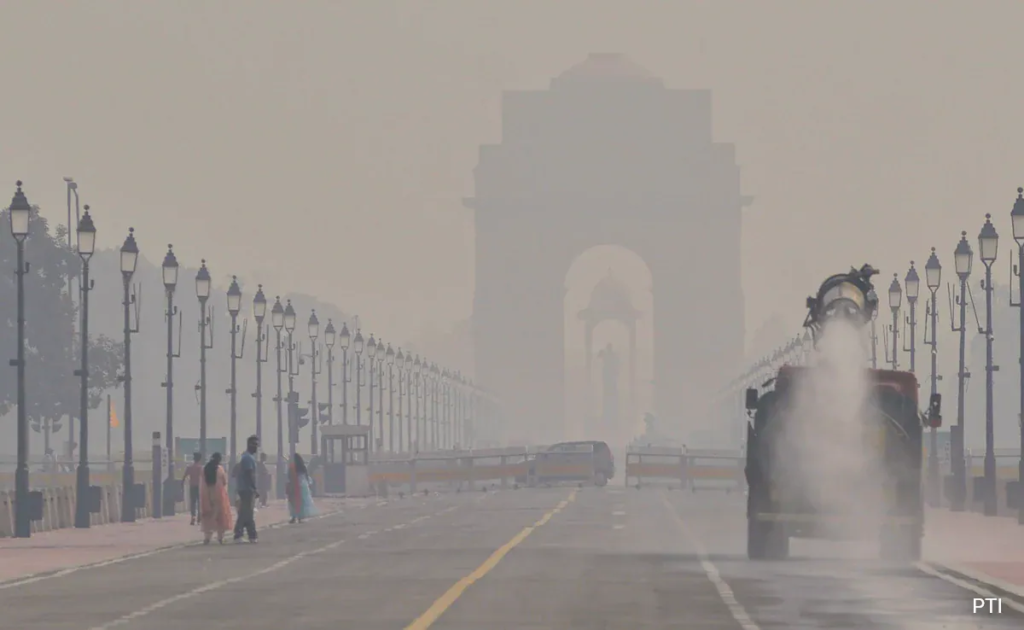
What is AQI?
The Air Quality Index (AQI) is a measure used to communicate how polluted the air is and what that may mean for people’s health. A higher AQI generally indicates worse air quality and greater health concerns.
FAQs on AQI
Why are so many Indian cities among the world’s most polluted?
Air pollution can come from vehicle exhaust, industrial emissions, construction dust, burning waste and crop residue. Weather conditions can also trap pollutants close to the ground, worsening air quality.
What does an AQI of 386 mean?
On the US AQI scale used by many international real-time rankings, a reading of 386 falls in the hazardous category. AQI categories and scales can differ between countries, so the scale should always be checked.
Why does air pollution often worsen in northern India during winter?
Cooler temperatures, weaker winds and certain weather conditions can prevent pollutants from dispersing. Smoke from crop-residue burning can add to pollution from traffic, industry and construction.
Does Delhi’s absence mean its air was safe to breathe?
No. Delhi recorded an AQI of 296 on the morning of October 24, which still indicated heavily polluted air on the reported scale. A city’s position in a ranking does not determine whether its air is safe.
Can air pollution affect children’s health?
Yes. Polluted air can irritate the eyes and throat, worsen asthma and affect the lungs. Children are particularly vulnerable because their lungs are still developing.
What can help reduce air pollution?
Cleaner transport, better public transport, controlling industrial emissions, reducing construction dust, preventing waste burning and managing crop residue can all help improve air quality.
Did you know?
Air pollution does not stop at city borders. Pollutants can travel with the wind, meaning emissions from one area can affect air quality in neighbouring towns and cities.
Also Read:
- India Loses 5.6% Points of Green Cover as Heat Intensifies
- What Is El Niño and What Are Its Effects? Explained!
- India Sees Hottest August in 125 Years
- How Climate Change Affects India: What Every Child Should Know!
- What Is Climate Change? Explained for Kids
Subscribe to The Junior Age Newspaper – click here. Know more fun facts on The Junior Age’s YouTube!